
Fortinet NSE4_FGT_AD-8.0 Question Answer
Refer to the exhibits.
A diagram of a FortiGate device connected to the network VIP object and firewall policy configurations are shown.
The WAN (port2) interface has the IP address
100.65.0.101/24.
The LAN (port4) interface has the IP address
10.0.11.254/24.
If the host 100.65.1.111 sends a TCP SYN packet on port 443 to 100.65.0.200. what will the source address, destination address, and destination port of the packet be at the time FortiGate forwards the packet to the destination?
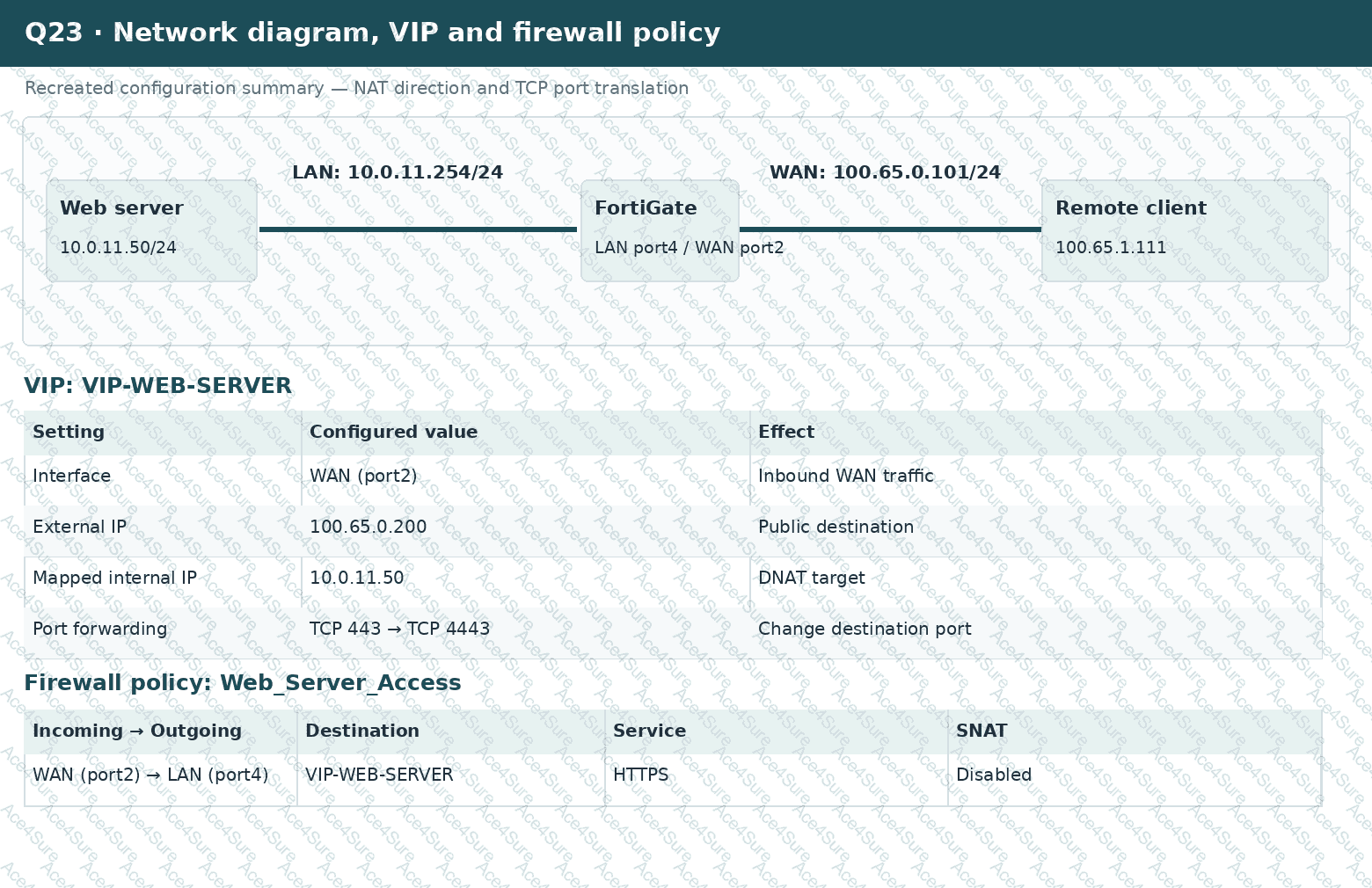
Exhibit 1 — Source configuration / network evidence
NSE4_FGT_AD-8.0 PDF/Engine
- Printable Format
- Value of Money
- 100% Pass Assurance
- Verified Answers
- Researched by Industry Experts
- Based on Real Exams Scenarios
- 100% Real Questions

Get 80% Discount on All Products,
Use Coupon: "BFDEAL80"
