According to the PMBOK® Guide and the Standard for Project Management, specifically within the Identify Stakeholders process, the Power/Influence Grid is the specific classification model that groups stakeholders based on their level of authority (power) and their active involvement (influence) in the project.
As per PMI standards, these grids help the project manager prioritize stakeholders and determine the appropriate engagement strategy. The definitions of the axes in this model are:
Power (Authority): The level of ability a stakeholder has to influence the project ' s outcome or the organization ' s strategic direction.
Influence (Active Involvement): The stakeholder ' s active involvement in the project and their ability to affect others ' decisions or the project ' s execution.
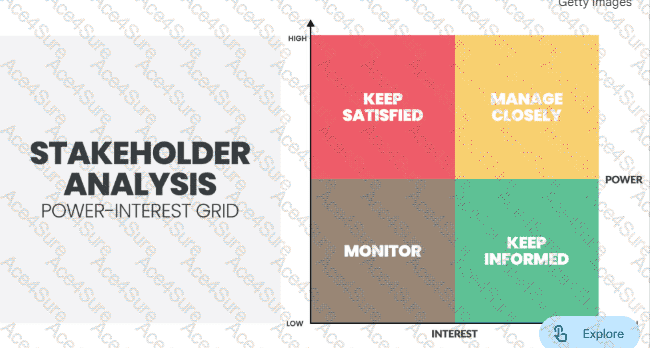
The other options are incorrect based on the following PMI definitions:
Power/Interest Grid: This model groups stakeholders based on their level of authority (power) and their level of concern or curiosity (interest) regarding the project ' s outcomes.
Influence/Impact Grid: This model groups stakeholders based on their active involvement (influence) in the project and their ability to effect changes to the project ' s planning or execution (impact).
Salience Model: This is a more complex model that describes classes of stakeholders based on their assessments of three variables: power (level of authority), urgency (need for immediate attention), and legitimacy (their involvement is appropriate).
As per the PMI Lexicon of Project Management Terms, the use of these grids is a critical component of Stakeholder Analysis, ensuring that the project manager focuses the necessary effort on the stakeholders who can most significantly affect project success.


