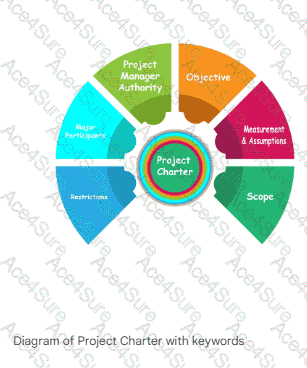
According to the PMBOK® Guide, the Develop Project Charter process is the first formal step in the Initiating Process Group. The Project Charter is the document issued by the project initiator or sponsor that formally authorizes the existence of a project and provides the project manager with the authority to apply organizational resources to project activities.
Establishing the Project: Without an approved charter, a project does not officially exist in the eyes of the organization. It serves as the " birth certificate " of the project.
Authority of the Project Manager: It is the document that names the Project Manager and explicitly defines their level of authority. This allows the PM to start acquiring resources and spending money on project-related tasks.
High-Level Alignment: The charter links the project to the strategic objectives of the organization. It contains high-level information such as the project purpose, measurable objectives, high-level requirements, and a summary milestone schedule.
Analysis of other options:
B. Formal acceptance of the project management plan: This occurs much later in the Planning Process Group. The charter is the input used to start planning; it is not the approval of the plan itself.
C. Formal approval of the detailed project budget: The charter only contains a summary budget. The detailed, itemized budget is developed during the planning phase and is formalized in the Cost Baseline.
D. Formal definition of stakeholder roles and responsibilities: While some key stakeholders may be mentioned, the detailed definition of roles and responsibilities (such as a RACI matrix) is a planning activity (part of Resource Management), not the primary purpose of the charter.
Per PMI standards, the Project Charter is essential because it creates a direct link between the project and the strategic goals of the organization, ensuring that the project has the necessary formal authorization to proceed.


