According to the PMBOK® Guide (Project Risk Management), the term Risk Attitude is defined as the organization ' s or individual ' s disposition toward uncertainty, which in turn influences the way they respond to that risk. It is the most comprehensive term that describes the perceived balance between risk-taking and risk-avoidance.
Risk attitude is influenced by three primary factors:
Risk Appetite: The degree of uncertainty an organization or individual is willing to accept in anticipation of a reward.
Risk Tolerance: The specified range of acceptable variation around an objective.
Risk Threshold: The level of risk exposure above which risks are addressed and below which risks may be accepted.
The PMBOK® Guide notes that the project team must understand the risk attitude of the organization and stakeholders to ensure that the Risk Management Plan aligns with the corporate culture.
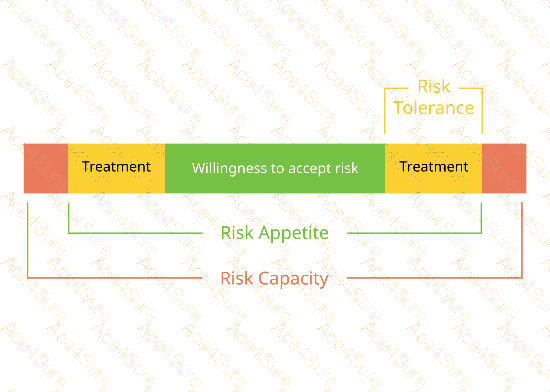
Analysis of Distractors: A. Responses: These are the specific actions determined to address threats or opportunities (e.g., Avoid, Mitigate, Transfer). Responses are the result of the risk attitude, not the reflection of the balance itself.
B. Appetite: While related, " Appetite " specifically refers to the amount of risk an entity is willing to take. " Attitude " is the broader descriptor of how the organization perceives and acts upon that balance.
C. Tolerance: This refers to the measurable, granular levels of acceptable deviation (e.g., " We can tolerate a 5% budget overrun " ). It is a specific metric rather than a general reflection of the perceived balance between taking and avoiding risk.


