According to the PMBOK® Guide and the PMI Guide to Business Analysis, a Business Analyst (BA) must perform environmental scanning and situational analysis when a new technology is introduced to understand its internal and external implications.
Why Choice B is correct: SWOT Analysis is a strategic planning tool used to identify the Strengths and Weaknesses (internal to the technology or organization) and the Opportunities and Threats (external factors) related to a specific situation. In this case, to understand the " impact it will have on the organization, " the BA uses SWOT to evaluate what the technology does well, where it falls short, how it can be leveraged for growth, and what risks it might introduce. It provides a high-level view of the technology’s viability and integration challenges.
Analysis of other options:
A (MoSCoW): This is a prioritization technique used to manage requirements (Must have, Should have, etc.). While useful later in the project, it does not help in understanding the fundamental impact of a new technology.
C (WBS): The Work Breakdown Structure is a deliverable-oriented decomposition of the work to be executed by the project team. It defines the " what " of the project scope but is not an analytical tool for evaluating the nature of a technology.
D (RACI): This is a responsibility assignment matrix used to illustrate the connections between work packages or activities and project team members. It defines roles, not the impact of technical solutions.
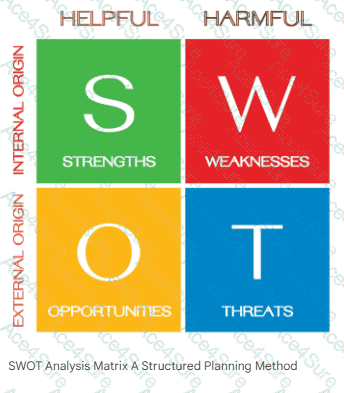
By performing a SWOT analysis, the Business Analyst can effectively communicate the strategic value and potential hurdles of the newly acquired technology to the stakeholders, ensuring the organization is prepared for the transition.


